
The Nissan Frontier temperature sensor is located on the engine block. The Nissan Frontier temperature sensor is a crucial component of the vehicle’s engine system, as it helps monitor and regulate the engine temperature.
By accurately detecting the temperature, the sensor ensures that the engine operates within the optimal temperature range, preventing overheating or freezing. If you are experiencing issues with your Nissan Frontier’s engine temperature, knowing the location of the temperature sensor can be helpful in troubleshooting and resolving any potential problems.
We will explore the exact location of the temperature sensor in a Nissan Frontier, allowing you to effectively maintain and care for your vehicle. So, let’s get started!
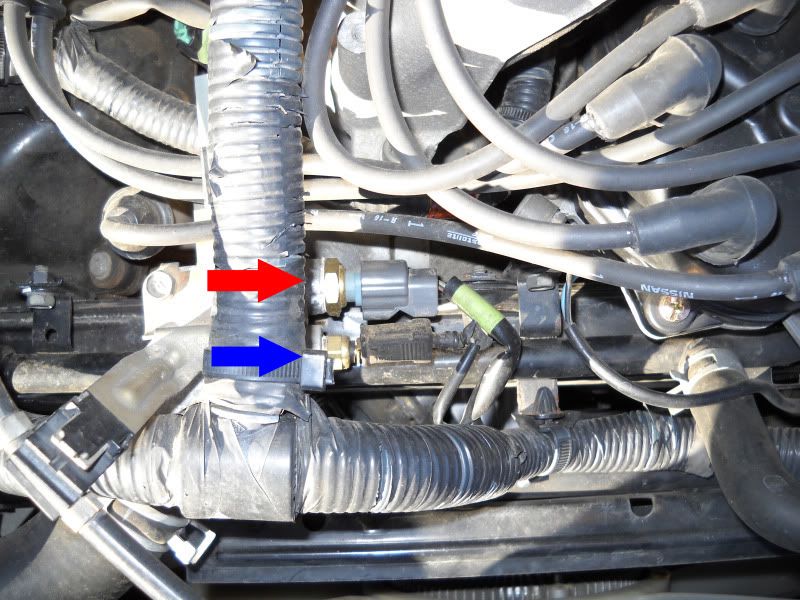
Credit: www.clubxterra.org
Understanding The Importance Of Temperature Sensors In Nissan Frontier
Discover the essential role of temperature sensors in the Nissan Frontier and explore its precise sensor location for optimal performance and efficiency.
Temperature sensors play a crucial role in the overall functionality of a Nissan Frontier. These sensors are responsible for monitoring the temperature of various components in the vehicle, ensuring that they operate within optimal parameters. In this section, we will explore how temperature sensors contribute to the performance and efficiency of the Nissan Frontier.
How Temperature Sensors Contribute To The Overall Functionality Of Nissan Frontier:
- Monitoring engine temperature: One of the key functions of temperature sensors in the Nissan Frontier is to monitor the engine’s temperature. This ensures that the engine operates within the ideal temperature range, preventing overheating or potential damage. By constantly monitoring the temperature, the sensors provide crucial data that helps maintain optimal engine performance.
- Optimizing fuel efficiency: Temperature sensors also play a role in optimizing fuel efficiency in the Nissan Frontier. They provide data on the engine’s temperature to the vehicle’s engine management system, which uses this information to adjust fuel injection, timing, and other parameters. By maintaining the engine at the right temperature, temperature sensors help maximize fuel efficiency and reduce emissions.
- Preventing engine damage: Temperature sensors in the Nissan Frontier act as guardians, protecting the engine from potential damage. They detect any sudden or significant changes in temperature and alert the engine management system. This allows the system to take preventive measures, such as adjusting the fuel-air mixture, to protect the engine from potential damage caused by extreme temperatures.
- Ensuring cabin comfort: Temperature sensors not only monitor the engine temperature but also contribute to ensuring cabin comfort in the Nissan Frontier. These sensors help regulate the temperature inside the vehicle by providing data to the climate control system. They assist in maintaining the desired temperature set by the driver, enhancing the overall driving experience.
- Optimizing vehicle performance: Another crucial role of temperature sensors is optimizing the overall performance of the Nissan Frontier. By keeping the engine temperature within the optimal range, these sensors ensure that the engine operates efficiently. This results in improved acceleration, smoother running, and better overall performance of the vehicle.
- Enhancing safety: Temperature sensors also play a role in enhancing the safety of the Nissan Frontier. By monitoring the engine temperature, they provide vital information to the driver if the engine starts to overheat. This early warning allows the driver to take necessary actions, such as pulling over and addressing the issue promptly, reducing the risk of engine failure or other related safety hazards.
Temperature sensors are vital components in the Nissan Frontier, contributing to the vehicle’s performance, fuel efficiency, engine protection, cabin comfort, and overall safety. By constantly monitoring and regulating the temperature, these sensors ensure that the vehicle operates optimally and provides a smooth and reliable driving experience.
Types Of Temperature Sensors Used In Nissan Frontier
The temperature sensors used in the Nissan Frontier are essential for monitoring and regulating the vehicle’s engine temperature. These sensors are strategically located to accurately measure and transmit temperature data, ensuring optimal engine performance.
Nissan Frontier Temperature Sensor Location
Exploring The Different Types Of Temperature Sensors Utilized In Nissan Frontier
When it comes to monitoring the temperature in your Nissan Frontier, you may wonder how it is achieved. Nissan Frontier employs various types of temperature sensors to ensure accurate temperature readings. Let’s take a closer look at each type and their purpose and benefits:
- Coolant temperature sensor:
- Monitors the temperature of the engine coolant.
- Helps the engine control unit (ECU) adjust fuel mixture and ignition timing for optimal performance.
- Prevents overheating and potential engine damage.
- Ambient air temperature sensor:
- Measures the temperature of the surrounding air.
- Provides input for climate control systems to regulate air conditioning and heating.
- Allows for comfortable cabin temperature control.
- Intake air temperature sensor:
- Detects the temperature of the air entering the engine.
- Assists in adjusting the fuel-air mixture for improved combustion efficiency.
- Helps prevent engine knocking and emissions-related issues.
- Exhaust gas temperature sensor:
- Monitors the temperature in the exhaust system.
- Enables the engine control unit (ECU) to optimize fuel injection, exhaust gas recirculation, and regeneration of filters.
- Ensures proper functioning of emission control systems.
- Transmission fluid temperature sensor:
- Measures the temperature of the transmission fluid.
- Assists in regulating the transmission pressure and shift points.
- Helps prevent overheating and prolongs the life of the transmission.
Nissan Frontier incorporates a range of temperature sensors to monitor various crucial aspects within the vehicle. From coolant temperature to ambient air temperature, these sensors play a fundamental role in maintaining optimal performance and efficiency. By accurately detecting temperature variations, these sensors ensure your Nissan Frontier runs smoothly and reliably.
Locating The Temperature Sensor In Nissan Frontier
The temperature sensor in a Nissan Frontier can be located by referring to the vehicle’s manual or consulting a reliable automotive resource. This essential component plays a crucial role in monitoring and regulating the engine’s temperature for optimal performance.
Overview Of The General Location Of Temperature Sensors In Nissan Frontier:
- The temperature sensors in Nissan Frontier are strategically placed to monitor different aspects of the vehicle’s operating temperature.
- The primary temperature sensor, known as the coolant temperature sensor, is typically located near the engine or the radiator.
- Another crucial temperature sensor, the intake air temperature sensor, can usually be found near the air intake system.
- The location of these sensors may vary slightly depending on the model year and engine configuration of your Nissan Frontier.
Step-By-Step Guide To Pinpointing The Exact Location Of The Temperature Sensor:
- Open the hood of your Nissan Frontier and secure it in place.
- Locate the engine and the radiator. These are the general areas where the coolant temperature sensor is usually positioned.
- Look for a small, cylindrical-shaped component with an electrical connector attached to it. This is likely to be the coolant temperature sensor.
- If the coolant temperature sensor is not immediately visible, refer to your vehicle’s owner’s manual or consult a repair manual for specific guidance.
- For finding the intake air temperature sensor, identify the air intake system. It is often situated near the air filter housing or the throttle body.
- Look for a sensor with an electrical connector that is part of the intake air system. This should be the intake air temperature sensor.
- If you still have trouble locating the temperature sensor, consider seeking professional assistance or consulting with a certified Nissan technician.
- Remember that the exact position of the temperature sensors may vary depending on your Nissan Frontier’s model year and engine type.
- Take note of the sensor’s location for future reference or troubleshooting purposes.
- Once you have successfully located the temperature sensors, you can proceed with any necessary maintenance or diagnostics.
Remember, the temperature sensor’s specific location in your Nissan Frontier may differ based on the year and engine configuration of your vehicle. Following this step-by-step guide will help you easily pinpoint the exact location of the temperature sensors in your particular model.
Common Issues And Solutions Related To Temperature Sensors In Nissan Frontier
The location of the temperature sensors in Nissan Frontier can give rise to common issues. By identifying and addressing these problems, drivers can ensure accurate temperature readings and maintain optimal engine performance.
Identifying Common Problems Associated With Temperature Sensors In Nissan Frontier:
- Temperature sensor malfunction: One of the most common issues with temperature sensors in Nissan Frontier is their malfunctioning. This can cause inaccurate temperature readings and affect the overall performance of the vehicle.
- Wiring problems: Issues with the wiring connected to the temperature sensor can lead to faulty readings or even complete sensor failure. It is important to check for any damaged or loose connections that may be causing the problem.
- Sensor contamination: Temperature sensors can become contaminated over time, which can impact their accuracy. Dust, dirt, or moisture buildup can interfere with the sensor’s functionality. Regular cleaning and maintenance are essential to avoid this issue.
- Sensor damage: Physical damage to the temperature sensor, such as cracks or breakages, can result in erratic readings or complete failure. This can be caused by accidents or normal wear and tear.
- Electrical problems: Sometimes, temperature sensor issues can be attributed to electrical problems within the vehicle. These can include issues with the vehicle’s electrical system or a faulty control module.
Troubleshooting Guidelines And Solutions For Resolving These Issues:
- Perform a visual inspection: Check the temperature sensor and its wiring for any signs of damage or loose connections. If any issues are identified, repair or replace the damaged components.
- Clean the sensor: If the temperature sensor is contaminated, carefully clean it using a mild electronics cleaner or isopropyl alcohol. Ensure that the sensor is completely dry before reinstallation.
- Check the electrical system: If the temperature sensor issues persist, it may be necessary to inspect the vehicle’s electrical system. This can involve checking the control module, fuses, and other relevant components. Professional assistance may be required for complex electrical troubleshooting.
- Replace the temperature sensor: If all other troubleshooting steps fail, it may be necessary to replace the temperature sensor. Ensure that you choose a compatible replacement part and follow the manufacturer’s instructions for installation.
- Seek professional assistance: If you are unsure about diagnosing or resolving temperature sensor issues, it is always advisable to consult a professional mechanic. They have the expertise and tools to accurately identify and fix the problem.
Remember, addressing temperature sensor problems in a timely manner is crucial for maintaining the proper functioning of your Nissan Frontier. By following these troubleshooting guidelines and seeking appropriate solutions, you can ensure that your temperature sensors operate effectively and provide accurate readings.
Signs Of A Faulty Temperature Sensor In Nissan Frontier
The Nissan Frontier temperature sensor location indicates signs of a faulty sensor, such as erratic temperature readings or a malfunctioning cooling fan. It’s important to address these issues promptly to prevent further damage to the vehicle’s engine.
Recognizing The Indications Of A Malfunctioning Temperature Sensor In Nissan Frontier:
- Warning light: If the temperature sensor is faulty, you may notice a warning light on your Nissan Frontier’s dashboard. Pay attention to any illuminated icons related to the engine or coolant system.
- Inaccurate temperature readings: A faulty temperature sensor can cause the temperature gauge on your dashboard to fluctuate erratically or display incorrect readings. Keep an eye on the gauge to detect any irregularities.
- Overheating engine: One of the most obvious signs of a defective temperature sensor is an overheating engine. If the sensor fails to accurately measure the engine’s temperature, it may not trigger the cooling system when needed, leading to engine overheating.
- Engine performance issues: A malfunctioning temperature sensor can negatively impact your Nissan Frontier’s engine performance. You may experience a decrease in power, rough idling, or stalling. These issues can occur due to incorrect signals sent to the engine control module.
- Poor fuel efficiency: When the temperature sensor is faulty, it may provide inaccurate data to the engine management system. This can disrupt the fuel-to-air ratio, resulting in decreased fuel efficiency.
- Increased emissions: A malfunctioning temperature sensor can cause the engine to run in “open loop” mode, meaning it operates inefficiently and emits higher levels of pollutants. Keep an eye on your Nissan Frontier’s emissions to detect any changes.
- Difficulty starting the engine: If the temperature sensor malfunctions, it can affect the engine’s ability to start smoothly. You may experience difficulty starting the vehicle or extended cranking times before it starts.
- Coolant leaks: Faulty temperature sensors can lead to coolant leaks. It’s important to inspect for any leaks around the temperature sensor area or engine compartment.
- Inconsistent heating or cooling: The temperature sensor plays a crucial role in controlling the climate control system in your Nissan Frontier. If the sensor is faulty, you may experience inconsistent heating or cooling inside the vehicle.
- Engine fan running more than usual: When the temperature sensor fails, it may cause the engine fan to run more frequently or continuously, even when not necessary. Monitor the operation of the engine fan to identify any abnormalities.
Understanding the potential consequences of a faulty temperature sensor and its impact on vehicle performance is crucial for maintaining the health of your Nissan Frontier. By recognizing the signs of a malfunctioning temperature sensor, you can address the issue promptly and avoid further damage to your vehicle’s engine and systems.
Keep an eye out for warning lights, inaccurate temperature readings, overheating engine, poor fuel efficiency, and other symptoms outlined above. Addressing these issues promptly will help ensure your Nissan Frontier runs smoothly and efficiently.
Tips For Maintaining The Temperature Sensor In Nissan Frontier
Maintaining the temperature sensor in your Nissan Frontier is crucial to ensure optimum performance. Regularly check the sensor’s location and clean any dirt or debris that may affect its accuracy. Keep the sensor well-maintained for a reliable temperature reading.
The temperature sensor in your Nissan Frontier plays a crucial role in ensuring its engine operates at optimal temperature levels. Regular maintenance and precautions are necessary to prevent sensor-related problems and ensure its longevity. Here are some best practices to follow:
Best Practices For Ensuring The Longevity And Optimal Performance Of Temperature Sensors
- Keep the sensor clean: Regularly inspect and clean the temperature sensor to remove any dirt, debris, or oil buildup that may interfere with its accuracy.
- Check for damage or wear: Inspect the temperature sensor for any visible signs of damage or wear, such as loose wires or cracks. Replace the sensor if necessary.
- Protect from water damage: Ensure the temperature sensor is properly sealed and protected from water ingress, as moisture can affect its functioning.
- Follow proper installation procedures: When replacing the temperature sensor, make sure to follow the manufacturer’s recommended installation procedures to ensure its proper functioning.
Regular Maintenance Routines And Precautions To Prevent Sensor-Related Problems
- Monitor coolant levels: Regularly check the coolant levels in your Nissan Frontier to ensure they are at the appropriate level. Low coolant levels can lead to inaccurate temperature readings.
- Inspect the cooling system: Periodically inspect the cooling system for any leaks, blockages, or coolant contamination, as these issues can impact the performance of the temperature sensor.
- Perform routine maintenance: Follow the manufacturer’s recommended maintenance schedule for your Nissan Frontier, including regular coolant flushes, to prevent any potential issues related to the temperature sensor.
- Address overheating issues promptly: If your Nissan Frontier shows signs of overheating, such as a rising temperature gauge or unusual smells, address the issue promptly to prevent any potential damage to the temperature sensor and the engine.
- Consult a professional: If you are unsure about any aspect of temperature sensor maintenance or if you notice persistent issues, consult a professional mechanic who is experienced with Nissan Frontier vehicles.
By following these tips and incorporating regular maintenance routines, you can ensure the longevity and optimal performance of the temperature sensor in your Nissan Frontier. Proper care and attention to the sensor will contribute to the overall reliability and efficiency of your vehicle’s engine.
Upgrading Or Replacing The Temperature Sensor In Nissan Frontier
The Nissan Frontier temperature sensor location can be easily upgraded or replaced for efficient temperature monitoring. Enhance your vehicle’s performance by locating and servicing the temperature sensor promptly.
Exploring The Possibilities Of Upgrading Temperature Sensors For Improved Accuracy And Performance
When it comes to the temperature sensor in your Nissan Frontier, there may be times when you want to explore the possibilities of upgrading it for better accuracy and performance. Upgrading the temperature sensor can help you monitor the temperature more effectively and potentially prevent any issues before they become major problems.
Here are a few points to consider when it comes to upgrading your temperature sensor:
- Enhanced accuracy: Upgrading your temperature sensor can provide better accuracy in reading the temperature of your Nissan Frontier. This can help you have a more precise understanding of the engine temperature and make necessary adjustments accordingly.
- Improved performance: A more advanced temperature sensor can contribute to the improved overall performance of your vehicle. By providing more accurate readings, it allows for better engine control, resulting in smoother operation and potentially better fuel efficiency.
- Compatibility with aftermarket modifications: If you have made any aftermarket modifications to your Nissan Frontier, such as adding a turbocharger or intercooler, upgrading your temperature sensor may be necessary. In some cases, the stock temperature sensor may not be able to accommodate the changes in the engine system, leading to inaccurate temperature readings.
Step-By-Step Instructions For Safely Replacing A Faulty Temperature Sensor
If you’ve noticed issues with your temperature readings or suspect a faulty temperature sensor, it might be time to replace it. Here is a step-by-step guide on safely replacing a faulty temperature sensor in your Nissan Frontier:
- Prepare the necessary tools and materials: Before you start the replacement process, gather the tools you’ll need, including a socket set, pliers, and a new temperature sensor that is compatible with your Nissan Frontier.
- Locate the old temperature sensor: The temperature sensor is usually located near the engine or the radiator. Refer to your Nissan Frontier’s owner’s manual for the exact location of the temperature sensor.
- Disconnect the battery: Before you begin any work, disconnect the negative terminal of your vehicle’s battery to ensure safety.
- Remove the old temperature sensor: Carefully disconnect the wiring harness connected to the old temperature sensor. Then, using the appropriate socket or wrench, remove the sensor from its mounting location.
- Install the new temperature sensor: Take the new temperature sensor and apply a thin layer of thread sealant to the threads. Carefully screw the new sensor into its designated location and tighten it securely using the appropriate tools.
- Reconnect the wiring harness: Once the new sensor is securely installed, reconnect the wiring harness to the sensor.
- Reconnect the battery: Finally, reconnect the negative terminal of your vehicle’s battery.
- Test the replacement: Start your Nissan Frontier and monitor the temperature readings to ensure that the new temperature sensor is functioning correctly.
By following these step-by-step instructions, you can safely replace a faulty temperature sensor in your Nissan Frontier and ensure accurate temperature readings for optimal performance.
Frequently Asked Questions (Faqs) About Nissan Frontier Temperature Sensors
The Nissan Frontier temperature sensor location is a commonly asked question. This FAQ will provide brief, easy-to-understand answers about the location of temperature sensors in the Nissan Frontier. Discover the key details you need to know about these sensors in this brief guide.
Common Questions And Concerns Regarding Temperature Sensors In Nissan Frontier:
- What is the purpose of a temperature sensor in a Nissan Frontier?
A temperature sensor in a Nissan Frontier serves the important function of monitoring the temperature of various components in the vehicle. This helps ensure optimal performance, prevent overheating, and protect key parts from damage.
- Where is the temperature sensor located in a Nissan Frontier?
The exact location of the temperature sensor in a Nissan Frontier can vary depending on the model year and engine type. However, in most cases, the temperature sensor is situated near the engine or radiator. It is typically attached to the intake manifold, cylinder head, or thermostat housing.
- How can I identify a faulty temperature sensor in my Nissan Frontier?
If you suspect a faulty temperature sensor in your Nissan Frontier, watch out for common symptoms such as inconsistent temperature readings on the dashboard, unusual engine behavior, difficulty starting the vehicle, or a malfunctioning cooling system. It is best to consult a qualified mechanic who can diagnose the issue accurately.
- Can a malfunctioning temperature sensor affect the performance of my Nissan Frontier?
Yes, a malfunctioning temperature sensor can have adverse effects on the performance of your Nissan Frontier. It can cause inaccurate temperature readings, leading to improper engine behavior and potential overheating. Timely detection and replacement of a faulty sensor are crucial to maintain the vehicle’s performance.
- What is the average lifespan of a temperature sensor in a Nissan Frontier?
The lifespan of a temperature sensor in a Nissan Frontier can vary depending on several factors, such as usage conditions and maintenance. In general, a temperature sensor can last anywhere between 50,000 to 100,000 miles. However, it is essential to regularly monitor and maintain the sensor, as prolonged exposure to extreme temperatures can affect its longevity.
Expert Answers And Guidance To Provide Clarity On These Topics:
- Regular maintenance and inspection: To ensure the optimal functioning of the temperature sensor in your Nissan Frontier, it is recommended to include regular maintenance and inspection as part of your vehicle care routine. This includes checking for any signs of wear or damage to the sensor and promptly addressing any issues that arise.
- Importance of accurate temperature readings: Accurate temperature readings are vital for maintaining the overall health of your Nissan Frontier. A faulty temperature sensor can provide incorrect data, leading to potential engine problems and reduced performance. Timely replacement of a malfunctioning sensor will help ensure that your vehicle operates smoothly.
- Consulting a qualified mechanic: If you encounter any issues or have concerns regarding your Nissan Frontier’s temperature sensor, it is advisable to consult a qualified mechanic. They have the experience and knowledge to accurately diagnose and resolve any problems related to the temperature sensor and other vehicle components.
- Genuine replacement parts: When replacing a temperature sensor in your Nissan Frontier, it is recommended to use genuine OEM (Original Equipment Manufacturer) parts. Genuine parts are specifically designed for your vehicle, ensuring compatibility and optimal performance. Using genuine replacement parts is essential to maintain the reliability and longevity of your Nissan Frontier.
- Monitoring operating temperatures: Apart from relying solely on the temperature sensor, it is good practice to regularly monitor the operating temperatures of your Nissan Frontier. Pay attention to any signs of overheating, such as steam from the engine bay or a rising temperature gauge, and take appropriate action promptly.
Remember, proper maintenance and addressing any temperature sensor issues promptly will help keep your Nissan Frontier running smoothly and prevent potential damage to vital components. If you have any concerns or doubts, consult a qualified mechanic for expert guidance tailored to your vehicle’s specific needs.
Frequently Asked Questions For Nissan Frontier Temperature Sensor Location
Where Is The Temperature Sensor Located In A Nissan Frontier?
The temperature sensor in a Nissan Frontier is typically located near the engine or in the intake manifold. It helps monitor the engine’s temperature and sends signals to the vehicle’s computer system to ensure optimal performance.
What Does The Temperature Sensor In A Nissan Frontier Do?
The temperature sensor in a Nissan Frontier is responsible for monitoring the engine’s temperature. It measures the coolant temperature and sends signals to the vehicle’s computer system. This helps the engine function efficiently and prevents overheating, which can lead to engine damage.
How Can A Faulty Temperature Sensor Affect A Nissan Frontier?
A faulty temperature sensor in a Nissan Frontier can cause various issues. It can lead to inaccurate temperature readings, which can affect the vehicle’s fuel efficiency and performance. Additionally, it can result in poor engine management, potential overheating, and even engine damage if not addressed promptly.
Can A Faulty Temperature Sensor Cause The Nissan Frontier To Stall?
Yes, a faulty temperature sensor in a Nissan Frontier can potentially cause the vehicle to stall. If the sensor fails to provide accurate temperature readings, it may result in improper fuel mixture and ignition timing. This can lead to engine stalls or intermittent loss of power while driving.
Conclusion
Knowing the location of the temperature sensor in your Nissan Frontier is crucial for diagnosing and addressing any issues related to the engine’s temperature. By understanding the sensor’s placement, you can take the necessary steps to ensure your vehicle is running optimally.
Whether it’s monitoring the coolant temperature or detecting any overheating problems, the temperature sensor plays a vital role in maintaining the performance and longevity of your Nissan Frontier. Remember that regular maintenance and periodic checks are essential to identify any potential problems and prevent costly repairs down the line.
By staying proactive and knowledgeable about your vehicle’s temperature sensor location, you can ensure a smooth and hassle-free driving experience for years to come. So, make sure to consult your vehicle’s manual or seek professional advice if you ever encounter any temperature-related issues in your Nissan Frontier.