
A block heater typically draws around 7-12 amps. A block heater is a device used to warm the engine coolant of a vehicle during cold weather.
This helps ensure easy starting and efficient operation of the engine. One important consideration when using a block heater is its power consumption. Generally, block heaters draw between 7 and 12 amps of electricity. This level of power usage is important to keep in mind, especially if you are using other electrical devices while the block heater is plugged in.
By being aware of the amperage draw, you can ensure that your vehicle’s block heater functions efficiently without overloading the electrical system.
Block Heater Basics
A block heater typically draws around 7 to 15 amps, depending on the vehicle and its engine size. This device helps keep the engine warm in cold temperatures, making it easier to start the vehicle. Buying a block heater with the appropriate amperage is important to maintain the efficiency and safety of your vehicle.
What Is A Block Heater?
A block heater is a device designed to keep the engine block warm when a vehicle is not in use. It is usually installed in the coolant passages of the engine and is typically used in colder climates or during the winter season.
The block heater works by heating the engine coolant, which in turn warms up the engine and ensures easier starting and smoother operation in cold temperatures.
Why Are Block Heaters Used?
There are several reasons why block heaters are commonly used:
- Cold Weather Starting: Block heaters are primarily used to facilitate easy starting of vehicles in extremely cold temperatures. By keeping the engine block warm, the block heater helps to prevent oil from thickening and fluids from freezing, allowing the engine to start quickly and smoothly.
- Engine Protection: Using a block heater can help protect the engine from damage caused by cold starts. Cold starts put a lot of strain on the engine components, but a block heater ensures that the engine is warm, reducing wear and tear and prolonging the overall lifespan of the engine.
- Faster Cabin Heating: By preheating the engine, block heaters can also lead to faster warm-up times for the vehicle’s cabin heating system. This means that the interior of the vehicle will become warm much quicker, providing comfort to passengers in cold weather.
- Reduced Emissions: When engine oil and coolant are warmed up before starting the vehicle, it allows the engine to reach optimal operating temperature faster. This leads to improved fuel combustion and reduced emissions, contributing to a cleaner and more environmentally friendly vehicle operation.
- Better Fuel Efficiency: Block heaters help improve fuel efficiency by reducing engine warm-up time. When the engine is already warm, it requires less fuel to reach its ideal operating temperature, resulting in improved mileage and reducing overall fuel consumption.
In cold climates, block heaters are a valuable addition to vehicles, providing numerous benefits including easy starting, engine protection, faster cabin heating, reduced emissions, and improved fuel efficiency.
Understanding Amps And Power Draw
A block heater typically draws around 10-15 amps of power, but it can vary depending on the specific model. It’s important to understand the power draw to ensure the electrical system can handle the load and avoid any potential issues.
Explaining Electrical Current And Amps:
- Electrical current is the flow of electric charge through a conductor, usually measured in amps (A). It is the rate at which electric charges pass through a point in a circuit.
- Amps (Amperes) are the unit used to measure electrical current. One amp represents one coulomb per second, which means that one ampere of current is equivalent to the flow of one coulomb of charge per second.
How Is Power Draw Measured For Block Heaters?
- Power draw refers to the amount of electrical power that a device, such as a block heater, consumes while operating. It is measured in watts (W).
- To calculate the power draw of a block heater, you need to know both the voltage (V) and the current (A) it draws. The formula for power (P) is: P = V x A.
- Most block heaters draw a current between 6 to 15 amps, depending on their wattage rating and the specific heating requirements. Lower temperatures typically require higher wattage, which in turn means a higher current draw.
- Block heaters may have their amperage rating specified by the manufacturer, which can help determine their power draw. However, it is essential to refer to the manufacturer’s documentation or consult an electrician for accurate information on a specific block heater’s power draw.
Factors Affecting Amp Draw
Factors such as temperature, engine size, and insulation can affect the amount of amps a block heater draws. Larger engines and colder temperatures generally require more amps to heat the engine, while proper insulation can minimize the amp draw.
When it comes to block heaters, understanding the factors that affect amp draw is essential. These factors can vary depending on ambient temperature, block heater wattage, and engine size. Let’s explore each of these factors in more detail:
Ambient Temperature And Its Impact On Amp Draw:
- Colder temperature decreases resistance in the block heater, resulting in higher amp draw.
- Warmer temperature increases resistance in the block heater, leading to lower amp draw.
- The lower the ambient temperature, the more amps the block heater will draw to ensure efficient warming.
Block Heater Wattage And Its Relationship To Amp Draw:
- Higher wattage block heaters tend to draw more amps for faster warming.
- Lower wattage block heaters draw fewer amps but may take longer to warm the engine.
Engine Size And Its Effect On Amp Draw:
- Larger engines require more power to warm up, resulting in higher amp draw.
- Smaller engines need less power, so their amp draw may be lower compared to larger engines.
Several factors influence the amp draw of a block heater. From ambient temperature to block heater wattage and engine size, understanding these factors can help you determine how many amps your block heater will draw. Keep in mind that for optimal performance, it’s important to choose the right block heater based on your vehicle’s requirements and the ambient temperature in your area.
Calculating Amps For Different Block Heaters
Block heaters draw different amps depending on their power rating. To calculate the amps, divide the wattage of the block heater by the voltage of your electrical system. This will give you an idea of how much power the block heater draws and help you ensure a safe and efficient operation.
How To Calculate Amp Draw For A Specific Block Heater Model
When it comes to determining the amp draw of a specific block heater model, it’s important to understand the calculations involved. These calculations will help you determine the power consumption of the block heater, allowing you to make informed decisions related to electrical usage.
Below are the steps to calculate the amp draw for a specific block heater model:
- Identify the wattage rating of the block heater: The wattage rating can typically be found in the manufacturer’s specifications or on the block heater itself. It represents the amount of power the heater consumes.
- Determine the voltage of the electrical system: Check the voltage of the electrical system that the block heater will be connected to. In most cases, it will be either 120 volts or 240 volts.
- Divide the wattage by the voltage: Divide the wattage rating of the block heater by the voltage of the electrical system. This will give you the current draw of the block heater in amps.
Examples Of Popular Block Heaters And Their Amp Draw
To give you a better understanding of the amp draw of different block heater models, let’s take a look at some popular examples:
- Model: A
- Wattage: 500W
- Voltage: 120V
- Amp draw: 500W / 120V = 4.17A
- Model: B
- Wattage: 1000W
- Voltage: 240V
- Amp draw: 1000W / 240V = 4.17A
- Model: C
- Wattage: 750W
- Voltage: 120V
- Amp draw: 750W / 120V = 6.25A
- Model: D
- Wattage: 1500W
- Voltage: 240V
- Amp draw: 1500W / 240V = 6.25A
These examples demonstrate that different block heater models can have varying amp draws, even with similar wattage ratings. It’s essential to consider both the wattage and voltage of the block heater when calculating its amp draw.
Remember to consult the specific manufacturer’s specifications for accurate and up-to-date information on the amp draw of a particular block heater model. By understanding the calculations and exploring examples, you can confidently determine the amp draw of different block heater models for your specific needs.
Energy Usage And Cost Considerations
Block heaters draw varying amounts of amps depending on the specific model and power rating. It is important to consider energy usage and cost implications before using a block heater to ensure efficiency and affordability.
Estimating Energy Consumption And Associated Costs:
When it comes to estimating the energy consumption of a block heater and the associated costs, there are a few key factors to consider. Here is a breakdown of what you need to know:
- Wattage: The energy usage of a block heater is measured in watts. The wattage rating of the block heater can vary depending on the specific model. It is important to check the product specifications to determine the wattage of your block heater.
- Operating time: The amount of time the block heater is in use will also impact its energy consumption. Block heaters are typically used for a few hours before starting your vehicle to ensure the engine is warm. However, leaving the block heater on for longer periods can increase energy usage.
- Electricity rate: The cost of electricity varies depending on your location. To calculate the associated costs, you need to know the per kilowatt-hour (kWh) rate of electricity in your area. This information can usually be found on your electricity bill or obtained from your utility company.
To estimate the energy consumption and associated costs of your block heater, follow these steps:
- Determine the wattage of your block heater by referring to the product specifications.
- Calculate the operating time in hours. This can vary depending on your needs and the outside temperature.
- Convert the wattage to kilowatts by dividing it by 1000.
- Multiply the wattage in kilowatts by the operating time to get the total kilowatt-hours (kWh) consumed.
- Multiply the total kWh by the electricity rate in your area to calculate the cost.
It is important to note that this is just an estimate and may vary based on factors such as temperature, insulation, and individual usage patterns.
Installation And Usage Tips For Block Heaters
Block heaters are essential for cold weather, but how many amps do they draw? Get installation and usage tips to maximize efficiency and ensure proper functioning of your block heater without any worries.
Block heaters are essential for those living in cold climates, as they help to keep the engine warm and ensure a smoother start in freezing temperatures. While block heaters are highly beneficial, it’s important to install and use them correctly for optimal performance and safety.
In this section, we’ll provide proper installation guidelines and best practices for using block heaters efficiently.
Proper Installation Guidelines For Block Heaters:
- Consult your vehicle’s manual or a professional technician to determine the appropriate block heater for your car model and engine.
- It is recommended to install the block heater near the engine’s coolant drain plug for efficient heating.
- Ensure that the block heater is securely fastened to avoid any potential damage during use.
- Use the recommended power outlet and extension cord for your block heater. Make sure the cord is in good condition with no frays or cuts.
- Before installing the block heater, ensure the engine and surrounding area are clean and free from debris, oil, or coolant leaks.
- Apply thread sealant to the block heater’s threads to prevent any coolant leaks.
- Follow the manufacturer’s instructions for wiring and connections. If in doubt, hire a professional electrician or consult a reputable mechanic.
- After installation, check for any signs of damage or loose connections regularly. If any issues are detected, seek professional assistance immediately.
- Remember to unplug the block heater before starting the vehicle to prevent electrical hazards.
Best Practices For Using Block Heaters Efficiently And Safely:
- Plug in the block heater at least 2 to 3 hours before starting the vehicle to ensure proper heating.
- Utilize a timer to automatically turn on the block heater before you need to use your vehicle.
- Avoid leaving the block heater plugged in for extended periods when not in use to reduce energy consumption.
- Insulate the block heater cord and outlets to prevent heat loss and minimize energy wastage.
- Consider using a thermal blanket or block heater cover to retain heat and maximize efficiency.
- Regularly inspect the block heater for any signs of damage or wear. Replace it if necessary to maintain optimal performance.
- Be mindful of safety precautions when using the block heater, such as keeping it away from flammable materials and ensuring proper ventilation in the area.
- Consider using a temperature control device designed specifically for block heaters to ensure the engine stays at an optimal temperature.
- In extreme temperatures, use additional measures such as insulating the coolant lines to enhance the block heater’s performance.
By adhering to proper installation guidelines and implementing best practices, you can make the most of your block heater, ensuring a smoother and more reliable start in cold weather conditions. Stay warm, stay safe!
Block Heaters For Different Vehicle Types
Block heaters draw varying amounts of amps depending on the type of vehicle. It is important to know the specific amp rating of your block heater to avoid electrical issues and ensure optimal functionality.
Block Heaters For Cars And Trucks
Block heaters are essential for cars and trucks, especially during cold winter months. They are designed to keep the engine warm and make it easier to start the vehicle in extreme weather conditions. Here are some key points about block heaters for cars and trucks:
- Block heaters draw a specific amount of amperage, typically ranging from 400 watts to 1500 watts. The exact amperage drawn depends on the specific block heater model and vehicle type.
- The amperage rating of the block heater can usually be found in the manufacturer’s specifications or user manual. It is crucial to ensure that the block heater draws an appropriate amount of amps for your vehicle to prevent any electrical damage.
- Block heaters for cars and trucks are typically plugged into a standard electrical outlet using a power cord. The power cord is usually included with the block heater kit or can be purchased separately.
- The block heater uses electrical resistance to generate heat, which then warms the coolant in the engine. This helps to maintain a higher temperature in the engine block, making it easier to start the vehicle and reducing wear and tear on the engine components.
- It is important to follow the manufacturer’s instructions for installing and using a block heater properly. Incorrect installation or improper use may lead to electrical issues or other problems.
Block Heaters For Motorcycles And Recreational Vehicles (Rvs)
Block heaters are not only limited to cars and trucks; they can also benefit motorcycles and recreational vehicles (RVs). Although these vehicles have different specifications, block heaters can still be useful in specific situations. Here are some essential details about block heaters for motorcycles and RVs:
- Block heaters for motorcycles are generally smaller and less powerful than those for cars and trucks. They typically draw a lower amperage, ranging from 100 watts to 300 watts. These block heaters are designed to fit the smaller engine size and can be beneficial in colder climates to improve starting reliability.
- RVs, on the other hand, have various options to keep the engine warm. Some RVs may have built-in block heaters, while others require aftermarket installations. The amperage drawn by block heaters for RVs can vary significantly, depending on the size of the engine and the heating capacity required.
- When installing or using block heaters for motorcycles or RVs, it is important to consider the power source. Some RVs may have onboard generators or external power outlets specifically designed for block heaters. Motorcycles, on the other hand, may require a separate power source or an adapter to connect to a standard electrical outlet.
- It is crucial to follow manufacturer guidelines for block heater installation and usage for motorcycles and RVs. Improper installation or incorrect usage may lead to electrical issues or other complications.
Remember, understanding the specific requirements and amperage ratings of block heaters for different vehicle types is essential to ensure their proper function and prevent any electrical problems.
Alternative Heating Options
If you’re wondering how many amps a block heater draws, this blog post will provide you with the information you need. Discover the alternative heating options available for your vehicle.
When it comes to keeping your engine warm during winter, block heaters are not your only option. There are several alternative heating methods available, each with its own pros and cons. In this section, we will compare block heaters with other heating methods, and explore the advantages and disadvantages of using block heaters in different scenarios.
Comparing Block Heaters With Other Heating Methods
- Engine heater blanket: This heating option wraps around the engine block and uses electricity to generate heat. It is easy to install and provides uniform heating. However, it may take longer to heat up the engine compared to block heaters.
- Circulation heater: Designed to continuously circulate heated coolant throughout the engine, this heating method ensures even heat distribution. It is efficient and quick to warm up the engine. However, it requires professional installation and may be more expensive than block heaters.
- Coolant heater: By heating the coolant, this method warms up the entire engine block. It is effective in extreme cold conditions and promotes faster engine starts. However, it can be costlier than block heaters and may require modifications to the engine’s cooling system.
- Battery warmer: This heating solution warms up the vehicle’s battery, ensuring optimal performance in cold temperatures. It is easy to install and helps prevent battery drain. However, it does not directly warm the engine block like block heaters.
Pros And Cons Of Using Block Heaters In Different Scenarios
- Pros:
- Efficient heating: Block heaters provide direct heat to the engine block, resulting in quicker engine warm-ups and reduced wear and tear.
- Versatility: Block heaters are suitable for various engine types and can be used in different vehicles, such as cars, trucks, and motorcycles.
- Cost-effective: Compared to some alternative heating options, block heaters tend to be more affordable to purchase and operate.
- Cons:
- Limited heating range: Block heaters primarily focus on warming the engine block and may not provide heat to other components, such as the battery or coolant.
- Installation complexity: Installing a block heater may require professional assistance, especially for vehicles without existing heater ports.
- Electricity dependency: Block heaters rely on a power source, which may not be accessible in remote or off-grid locations.
Block heaters are a popular and effective choice for keeping your engine warm in cold conditions. However, it’s essential to consider alternative heating options based on individual requirements, such as the type of vehicle, climate, and desired level of heating.
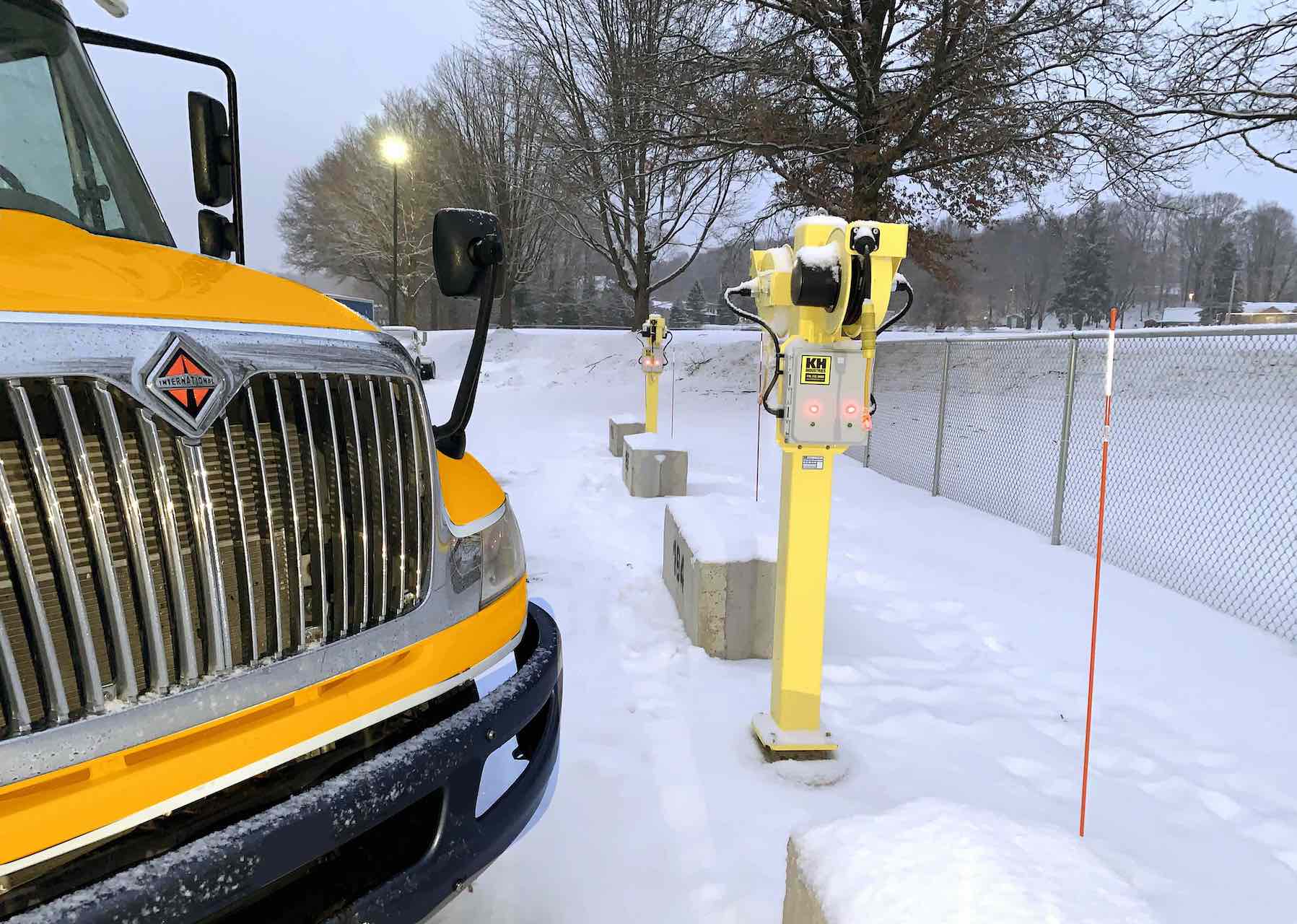
Credit: stnonline.com
Frequently Asked Questions On How Many Amps Does A Block Heater Draw
How Many Amps Does A Block Heater Draw?
A block heater typically draws between 400 and 1500 watts, which translates to 3. 3 to 12. 5 amps. The exact amperage can vary depending on the size and type of the heater. It’s essential to consult your vehicle’s owner manual for the specific amperage requirements.
Can A Block Heater Drain Your Battery?
Yes, a block heater can drain your vehicle’s battery if left plugged in for an extended period. However, most block heaters are designed to automatically turn on and off to prevent this. It’s important to follow the manufacturer’s instructions and use a timer or block heater controller to avoid overexerting your battery.
How Long Should You Plug In A Block Heater?
For optimal results, it’s recommended to plug in your block heater for at least two hours before starting your vehicle in cold weather. This duration allows the heat to evenly distribute throughout the engine, ensuring easier starting and reducing wear on internal components.
However, consult your vehicle’s manual for precise recommendations.
Are Block Heaters Necessary In Milder Climates?
While block heaters are more commonly used in colder climates, they can also be beneficial in milder regions. Even in temperatures above freezing, a block heater can provide a quicker warm-up time, reduce engine wear, and enhance fuel efficiency. It’s a helpful addition for anyone who wants to maintain their engine’s performance and reduce long-term damage.
Conclusion
Understanding the electrical requirements of a block heater is crucial for efficient and safe vehicle operation during cold weather. By knowing how many amps a block heater draws, you can ensure that your vehicle’s electrical system can handle the load and minimize the risk of electrical issues.
Remember to check your owner’s manual or consult with a professional to determine the specific amp draw of your block heater. Additionally, consider factors such as the duration of heating, the ambient temperature, and the overall condition of your vehicle’s electrical system.
By taking these steps, you can keep your engine warm and ready to start, preventing potential damage and improving the overall performance and longevity of your vehicle. Stay informed, stay safe, and enjoy hassle-free winter driving with a properly functioning block heater.