
BMW daytime running lights not working? Here’s what you need to know about this common issue with potential solutions.
Common Reasons For Bmw Drl Malfunction
BMW DRL malfunction can be caused by various reasons, such as a faulty bulb, blown fuse, or a defective light module. These issues can result in BMW daytime running lights not working properly, requiring professional diagnosis and repair.
If you’ve noticed that your BMW’s Daytime Running Lights (DRL) are not functioning properly, there are a few common reasons why this might be happening. Here, we will explore these reasons and provide insights on how you can troubleshoot and resolve the issue.
Faulty Light Bulbs
- Dim or burnt-out bulbs: Check if any of the DRL bulbs have burned out or become dim. A visual inspection can help identify any issues. If this is the case, replacing the faulty bulbs should solve the problem.
- Loose connections: Ensure that the bulbs are securely connected in their sockets. Sometimes, loose connections can cause intermittent lighting or failure. Gently reseating the bulbs may resolve the issue.
Fuse Issues
- Blown fuse: A blown fuse can result in the DRL malfunction. Locate the fuse box and visually inspect the DRL fuse. If the fuse appears to be blown or damaged, replace it with the appropriate one, considering the fuse chart available in your BMW’s owner manual.
Problems With The Light Control Module
- Faulty module: The Light Control Module (LCM) plays a crucial role in controlling the DRL functionality. If the LCM is defective or malfunctioning, it can cause issues with the DRL system. Consult a professional technician who can diagnose, repair, or replace the faulty module if necessary.
Remember, troubleshooting your BMW’s DRL malfunction can vary depending on the specific model and year. It is always recommended to consult your BMW owner manual or seek professional assistance for accurate troubleshooting and repairs.
By addressing these common reasons for BMW DRL malfunctions, you can help restore the proper functionality of your Daytime Running Lights and ensure your safety on the road. Keep in mind that complex electrical systems may require professional diagnosis and repair to ensure a thorough fix.
Identifying A Bmw Drl Problem
Having trouble with your BMW’s daytime running lights? Identifying a problem with your BMW’s DRL is crucial to ensure your safety on the road. Learn how to troubleshoot and fix the issue with this helpful guide.
If you’ve noticed that your BMW’s Daytime Running Lights (DRL) are not functioning properly, it’s important to address the issue promptly for your safety on the road. Here, we’ll explore different scenarios that may indicate a problem with your BMW’s DRL and how to identify and potentially resolve these issues.
Drl Not Turning On:
- Check the DRL settings: Ensure that the DRL option is activated in your vehicle settings. Some BMW models allow drivers to manually turn off DRL, so it’s worth verifying if this function has been unintentionally disabled.
- Inspect the DRL bulbs: If the DRL bulbs have burnt out, it may prevent the lights from turning on. Examine the bulbs for any signs of damage or discoloration, and replace them if necessary.
- Check the fuse: A blown fuse can also cause the DRL to not turn on. Refer to your BMW’s manual to locate the fuse box responsible for controlling the DRL and inspect the corresponding fuse. If the fuse appears to be damaged, replacing it might solve the issue.
Drl Flickering:
- Examine the DRL wiring: Loose or damaged wiring connections can cause flickering. Inspect the wiring leading to the DRL for any signs of wear, fraying, or loose connections. If you discover any issues, it is recommended to consult a professional for repairs.
- Check the DRL control module: The DRL control module regulates the operation of the DRL. A malfunctioning control module can lead to flickering lights. Consider having the module tested or replaced by a qualified technician.
Drl Turning Off Unexpectedly:
- Battery voltage check: Insufficient voltage from the battery could trigger the DRL to turn off unexpectedly. Verify the battery’s voltage using a multimeter to ensure it is within the recommended range. If the voltage is low, recharging or replacing the battery might help.
- Faulty light switch: A faulty light switch can cause the DRL to turn off intermittently. Test the switch by toggling it on and off. If the DRL turns off when the switch is in the on position, replacing the switch may be necessary.
Remember, if you encounter persistent issues with your BMW’s DRL, it’s advisable to consult a professional technician or BMW service center for proper diagnosis and repairs.
Troubleshooting Bmw Drl Not Working
Having trouble with your BMW’s daytime running lights (DRL) not working? Get to the root of the problem with our troubleshooting tips and restore the functionality of your vehicle’s DRL. Keep yourself and others safe on the road by addressing this issue promptly.
If your BMW’s daytime running lights (DRL) are not functioning as they should, it can be both a safety concern and an inconvenience. Here are some troubleshooting steps to help you identify and resolve the issue:
Checking The Light Bulb Connections:
- Start by performing a thorough inspection of the light bulb connections. Loose or faulty connections can prevent the DRL from working properly.
- Gently remove the bulb socket from the housing and inspect for any signs of corrosion or damage.
- Ensure that the connectors are clean and free from any debris.
- Confirm that the bulb is securely seated in the socket and properly aligned.
Inspecting And Replacing Blown Fuses:
- Check the fuse box specifically dedicated to the DRL. Refer to your vehicle’s owner manual for the exact location.
- Carefully inspect the fuse for any signs of damage or discoloration. A blown fuse will need to be replaced.
- Use a multimeter or a fuse tester to verify if the fuse is functioning correctly.
- If the fuse is blown, replace it with a new one of the same rating.
Testing The Light Control Module:
- The light control module (LCM) is responsible for controlling various lighting functions, including the DRL.
- Locate the LCM in your BMW. It is typically found under the dashboard or in the engine bay.
- Disconnect the wiring harness connected to the LCM.
- Check for any signs of corrosion or damage on the connectors and terminals.
- Reconnect the wiring harness securely.
- Test the DRL by turning on the headlights and verifying if the DRL now functions.
Remember, if you are unsure about any of these troubleshooting steps, it is recommended to consult a professional BMW technician or refer to your vehicle’s service manual for further guidance.
Bmw Drl Bulb Replacement
Having trouble with your BMW’s Daytime Running Lights? Get your DRL bulb replaced by experts for optimal visibility and safety on the road. Our professional team ensures a seamless installation process, restoring your BMW’s lighting system to its full functionality.
When driving a BMW, it’s crucial to ensure that its daytime running lights (DRL) are in proper working condition. If you find that your BMW’s DRL bulbs are not functioning, it may be time for a replacement. In this section, we will guide you through the steps to replace the light bulbs, selecting the correct replacement bulbs, and ensuring proper installation and bulb alignment.
Steps To Replace The Light Bulbs:
- Park your BMW in a safe and well-lit area before starting the replacement process.
- Open the hood of your BMW and locate the DRL bulb housing.
- Carefully disconnect the electrical connector attached to the DRL bulb.
- Remove any clips or screws securing the bulb housing.
- Gently remove the old DRL bulb from the housing by turning it counterclockwise.
- Inspect the old bulb to ensure it is indeed faulty before discarding.
- Take the new DRL bulb and insert it into the bulb housing, turning it clockwise to secure it in place.
- Re-attach any clips or screws that were removed earlier to secure the bulb housing.
- Connect the electrical connector back onto the new DRL bulb.
- Turn on your BMW’s headlights and verify that the new DRL bulb is functioning properly.
Selecting The Correct Replacement Bulbs:
- Consult your BMW’s owner’s manual or visit the manufacturer’s official website for the correct bulb specifications.
- Ensure that the replacement bulbs match the voltage and wattage requirements stated in the manual.
- Consider using high-quality bulbs from reputable brands to ensure longevity and optimal performance.
Proper Installation And Bulb Alignment:
- When installing the new DRL bulb, make sure it is aligned correctly with the bulb housing to prevent any lighting issues.
- Ensure that the bulb is secure and properly seated in the housing.
- Double-check all connections and attachments to guarantee a tight fit.
- Test the DRL bulbs after installation to verify their functionality and alignment.
By following these simple steps, you can easily replace your BMW’s DRL bulbs and ensure that they are in working order. Always exercise caution when working with automotive lighting systems and refer to your owner’s manual for specific instructions. Safe driving starts with properly functioning daytime running lights!
Resolving Bmw Drl Flickering
Having trouble with your BMW’s Daytime Running Lights flickering? Our guide will help you resolve this issue quickly and easily, ensuring your DRLs function properly and enhance your vehicle’s safety. Find the solution you need today!
If you’ve noticed that your BMW’s daytime running lights (DRL) are flickering, it’s important to address the issue promptly for safety reasons. Flickering DRL can not only reduce visibility but also be a sign of potential electrical problems. In this section, we will explore a few troubleshooting steps to help you resolve BMW DRL flickering.
Checking And Tightening Loose Connections:
- Ensure your BMW is turned off and the key is removed from the ignition before proceeding.
- Inspect the wiring harness and connectors for any signs of damage or corrosion.
- Tighten any loose connections to ensure a secure and proper electrical connection.
- Check for any frayed or damaged wires that may need to be repaired or replaced.
- Ensure the DRL bulbs are properly seated and securely fitted into their sockets.
Inspecting The Battery Voltage And Charging System:
- Use a multimeter to test the battery voltage with the engine off. The voltage should be around 12.6 volts for a fully charged battery.
- Start the engine and check the voltage again. The reading should increase to around 13.7 to 14.7 volts, indicating proper charging.
- If the voltage readings are significantly lower or higher, it may indicate a faulty alternator or battery that needs to be replaced.
- Inspect the battery terminals for any corrosion and clean them if necessary.
- Ensure the battery cables are securely attached to the terminals.
Addressing Voltage Spikes:
- Install a surge protector or voltage regulator to protect the electrical system from voltage spikes and surges.
- Check the condition of your BMW’s voltage regulator or alternator and have it tested if necessary.
- Replace any faulty or damaged electrical components that could be contributing to the voltage spikes.
- Consider installing LED DRL bulbs, as they are more resistant to voltage fluctuations and tend to have a longer lifespan.
By following these troubleshooting steps, you can identify and resolve the issue of BMW DRL flickering. However, if the problem persists or you are uncertain about performing these tasks yourself, it’s recommended to consult with a professional mechanic or BMW service center for further assistance.
Ensuring the proper functioning of your DRL is vital for both your safety and the safety of other road users.
Fixing Bmw Drl Randomly Turning Off
When the BMW daytime running lights stop working randomly, it can be a frustrating issue. Discover effective solutions to fix this problem and ensure your vehicle’s safety on the road.
If you own a BMW with daytime running lights (DRL) that occasionally turn off, it can be both frustrating and potentially hazardous. When your DRL randomly stops working, it’s essential to diagnose and fix the issue promptly. In this section, we will go through the necessary steps to troubleshoot and resolve the problem.
Evaluating The Light Control Module:
- Check for any error codes: Start by using an OBD-II scanner to retrieve any error codes related to the light control module. These codes can provide valuable insights into the underlying issue.
- Inspect the module for physical damage: Examine the light control module for any signs of wear, corrosion, or physical damage. Damaged components may lead to intermittent DRL failure.
- Test the power supply: Ensure that the light control module is receiving a consistent power supply. A fluctuating or unreliable power source can result in the DRL turning on and off unexpectedly.
Wiring And Harness Inspection:
- Inspect the wiring connections: Carefully examine the wiring connections related to the light control module. Loose or faulty connections can cause intermittent power loss, resulting in the DRL malfunctioning.
- Look for damaged wiring: Check the wiring harness for any signs of damage, such as frayed insulation or exposed wires. Damaged wiring can cause electrical shorts or interruptions, leading to DRL failure.
- Verify proper grounding: Ensure that the light control module and associated wiring are properly grounded. Poor grounding can result in electrical issues, including intermittent DRL failure.
Resetting The Light Control Module:
- Perform a hard reset: Disconnect the vehicle’s battery and wait for at least ten minutes before reconnecting it. This process can reset the light control module and resolve temporary glitches that may cause the DRL to turn off randomly.
- Check for firmware updates: Consult with a BMW specialist to determine if there are any available firmware updates for the light control module. Updating the module’s software can fix known issues and improve its overall performance.
Remember, resolving issues with BMW DRL that randomly turn off requires careful evaluation of the light control module, inspecting wiring and harness connections, and potentially resetting the module. By following these steps, you can address the problem and ensure your DRL operate reliably and safely.
Seeking Professional Help For Persistent Issues
Are you experiencing issues with your BMW’s daytime running lights? Get professional help to resolve these persistent problems and ensure optimal functionality.
Is your BMW’s daytime running lights not working despite your best efforts to troubleshoot the problem? Sometimes, it’s best to seek professional help when dealing with persistent issues. Consulting a BMW dealership or mechanic can provide the expertise, diagnostic tools, and warranty options needed to address the problem effectively.
Here are a few points to consider when deciding to seek professional assistance:
When To Consult A Bmw Dealership Or Mechanic:
- If you have tried basic troubleshooting methods but the issue persists.
- When you lack the technical know-how to identify and fix the problem.
- If the problem is beyond your comfort zone or capabilities as a DIY enthusiast.
- When you’re concerned about the underlying cause of the issue and want a thorough inspection.
Importance Of Diagnostic Tools And Expertise:
- Professionals at BMW dealerships or authorized mechanics have access to specialized diagnostic tools designed specifically for BMW vehicles.
- Their expertise enables them to quickly identify and diagnose complex electrical issues, such as problems with daytime running lights.
- They have a deep understanding of BMW’s electrical systems and can pinpoint the precise cause of the problem, saving you time and frustration.
Available Warranty Options And Cost Considerations:
- If your BMW is still under warranty, taking it to an authorized dealership ensures that the repairs are covered under warranty, minimizing your out-of-pocket expenses.
- Even if your vehicle is out of warranty, a dealership may offer warranty options for specific repairs or parts replacement.
- While professional assistance may come with a cost, the expertise and quality of service provided often outweigh the monetary investment. Plus, it can prevent further damage and potential costly repairs in the long run.
Remember, when facing persistent issues with your BMW’s daytime running lights, seeking professional help can provide peace of mind, ensure timely resolution, and keep your vehicle running safely. Don’t hesitate to reach out to a BMW dealership or mechanic for the expertise and assistance you need.
Tips For Maintaining Bmw Drl Functionality
Maintaining BMW DRL functionality is crucial for road safety. Follow these tips to solve the issue of BMW daytime running lights not working. Troubleshoot the wiring, check the bulbs and fuses, and ensure proper connections for a hassle-free driving experience.
Regularly checking and cleaning the light lenses:
- Regularly inspect the light lenses for any signs of dirt, dust, or debris that may obstruct the light output.
- Use a soft cloth or microfiber cloth to clean the lenses gently.
- Avoid using abrasive materials or harsh chemicals that could damage the lenses.
Monitoring the performance of the DRL system:
- Test the functionality of the DRL system by turning on the headlights and ensuring that the daytime running lights are illuminated.
- If the lights are not working, check the fuse and replace if necessary.
- Keep an eye out for any flickering or dimming of the DRLs, as this may indicate an underlying electrical issue.
Conducting routine electrical system inspections:
- Regularly inspect the electrical connections related to the DRL system, ensuring they are secure and free from any corrosion.
- Check for any loose wires or damaged connectors that may affect the DRL functionality.
- If any issues are detected, have them repaired promptly by a qualified technician.
By following these maintenance tips, you can ensure that your BMW’s daytime running lights stay in optimal working condition. Regularly checking and cleaning the light lenses, monitoring the performance of the DRL system, and conducting routine electrical system inspections are essential for maintaining the functionality of your BMW’s daytime running lights.
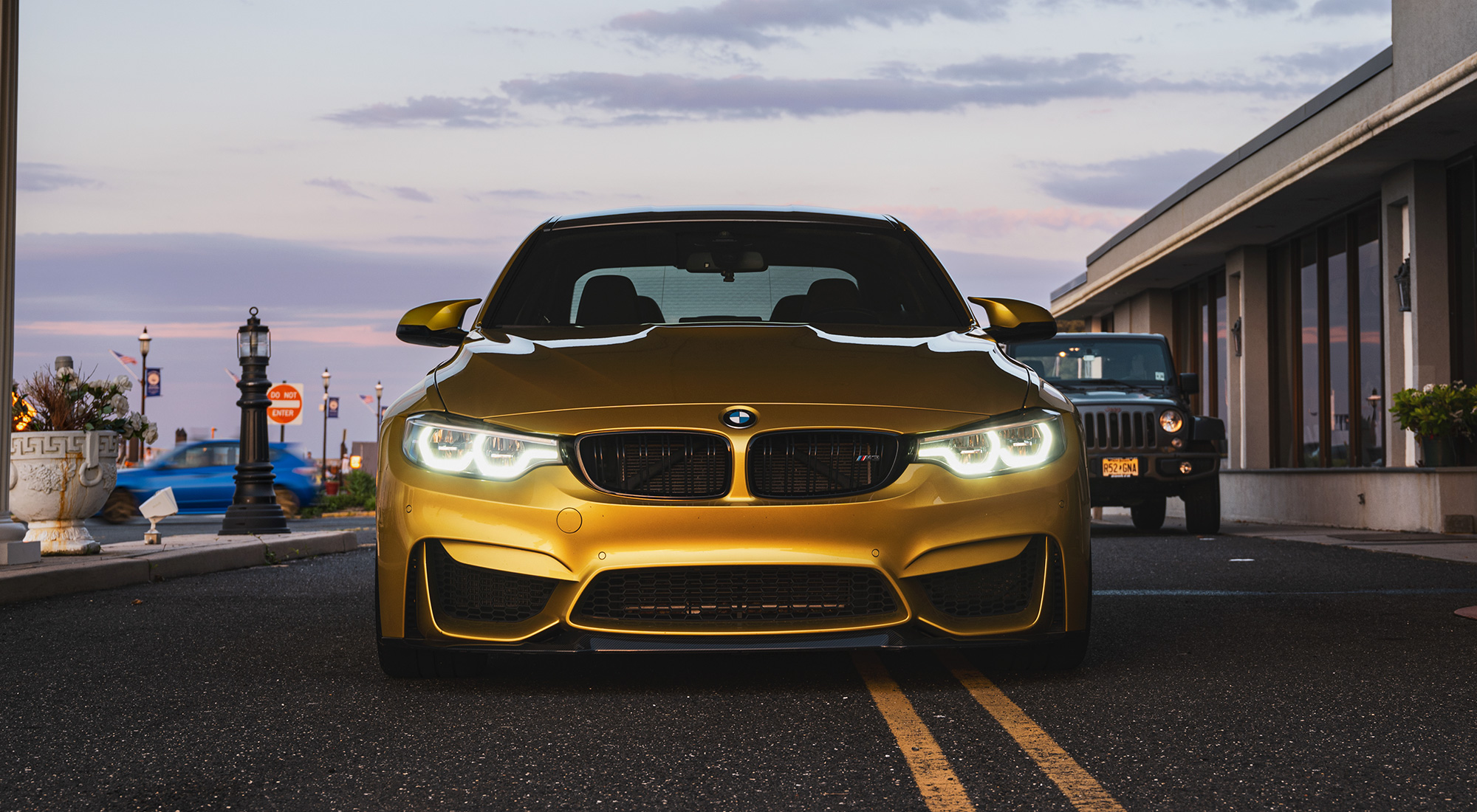
Credit: machineswithsouls.com
Frequently Asked Questions On Bmw Daytime Running Lights Not Working
Why Are My Bmw Daytime Running Lights Not Working?
There could be several reasons why your BMW daytime running lights are not working. It could be due to a blown fuse, a faulty light bulb, a problem with the light control module, or a faulty wiring connection. It is recommended to consult a professional mechanic to diagnose and fix the issue.
Can I Drive My Bmw Without Daytime Running Lights?
Yes, you can drive your BMW without daytime running lights. However, it is important to note that daytime running lights are designed to enhance visibility during the day and increase safety. So, it is recommended to get the issue fixed as soon as possible to ensure optimal visibility on the road.
How Much Does It Cost To Fix Bmw Daytime Running Lights?
The cost of fixing BMW daytime running lights can vary depending on the underlying issue. It can range from a simple bulb replacement that costs around $20 to a more complex repair that involves diagnosing and fixing electrical or module issues, which can cost several hundred dollars.
It is best to consult a professional mechanic for an accurate estimate.
Conclusion
To summarize, if your BMW daytime running lights are not working, it could be due to various reasons such as a blown fuse, a faulty light bulb, or a malfunctioning light module. It is important to diagnose the issue accurately in order to restore the functionality of your daytime running lights.
You can start by checking the fuse box and replacing any blown fuses. If the fuse is not the issue, you may need to inspect the light bulbs to see if they need replacing. In some cases, the light module may need to be repaired or replaced by a professional.
Regular maintenance and timely troubleshooting can help ensure the proper functioning of your BMW’s daytime running lights. Don’t delay in addressing this issue, as functioning daytime running lights are crucial for your safety on the road.