
No, you cannot use motor oil in your power steering. Power steering requires a specific type of fluid designed for its system.
Using motor oil can cause damage and compromise the performance of your power steering.
Understanding Power Steering Fluid
Power steering fluid is specifically designed for your vehicle’s power steering system and should not be substituted with motor oil. Using motor oil can cause damage and impair the performance of your power steering system. It’s important to follow the manufacturer’s recommendations to ensure optimal functioning.
Power steering fluid is an essential component of the power steering system in your vehicle. This fluid helps in the smooth and effortless operation of your steering wheel, ensuring easy maneuverability while driving. In this section, we will delve into the role of power steering fluid in the system and emphasize the importance of using the correct fluid for optimum performance.
What Is Power Steering Fluid?
Power steering fluid is a specialized hydraulic fluid designed to meet the specific needs of power steering systems. It works by transmitting power from the engine to the steering mechanism, helping you turn the wheels with ease. Here are a few key points to understand about power steering fluid:
- Power steering fluid acts as a lubricant, reducing friction between moving parts in the power steering system.
- It also serves as a coolant, dissipating heat generated during operation to prevent overheating.
- Power steering fluid is typically red or pink in color, allowing for easy identification and differentiation from other fluids.
Role Of Power Steering Fluid In The System
The power steering fluid plays a crucial role in maintaining the efficiency and functionality of the power steering system. Below are some essential aspects that highlight its significance:
- Hydraulic pressure transmission: Power steering fluid helps transmit hydraulic pressure from the power steering pump to the steering gear, allowing the wheels to turn smoothly.
- Improving steering response: By reducing friction and facilitating smooth movement, power steering fluid enhances the responsiveness of your steering wheel.
- Preventing damage: The fluid acts as a protective barrier for internal components, reducing wear and tear and preventing corrosion and damage.
- Noise reduction: Adequate fluid levels and quality contribute to quieter power steering operation, minimizing any excessive noise during steering maneuvers.
Importance Of Using The Correct Fluid
Using the correct power steering fluid is essential to ensure optimal system performance and longevity. Using the wrong fluid may result in various issues, including damage to the power steering components. Here’s why using the right fluid is crucial:
- Compatibility: Different vehicles and power steering systems may require specific types of fluid. Using the correct fluid ensures compatibility and proper functionality.
- Maintaining efficiency: The right fluid helps preserve the efficiency of the power steering system, supporting smooth steering and preventing power steering pump strain.
- Avoiding damage: Incorrect fluid can lead to leaks, system malfunctions, and premature wear of components, potentially resulting in costly repairs.
- Warranty considerations: Using the wrong fluid may void warranties provided by the vehicle manufacturer or power steering fluid brand.
Understanding the role of power steering fluid and using the correct fluid for your vehicle is crucial to maintain the efficiency and longevity of your power steering system. By following the manufacturer’s recommendations and regularly checking the fluid levels, you can ensure smooth steering performance and avoid potential problems down the road.
Risks Of Using Motor Oil In Power Steering
Using motor oil in power steering can pose several risks. It may cause damage to the power steering system, leading to expensive repairs. It can also result in reduced steering performance and potential safety hazards on the road.
Can I Use Motor Oil In My Power Steering?
Incompatibility issues:
- Motor oil is not formulated for use in power steering systems, which require specialized power steering fluid.
- The chemical composition of motor oil differs from that of power steering fluid, leading to potential incompatibility issues.
- Mixing motor oil with power steering fluid can result in poor lubrication, decreased efficiency, and potential damage to the power steering system.
Damage to the power steering system:
- Motor oil lacks the necessary additives and properties to provide the required level of protection for power steering systems.
- Over time, using motor oil in the power steering system can cause increased wear and tear on components, leading to potential damage.
- The lack of proper lubrication can lead to increased friction, heat build-up, and premature failure of vital components, such as the pump, rack, or hoses.
Impaired performance and safety risks:
- Power steering systems rely on the smooth and efficient flow of specialized power steering fluid to function properly.
- Using motor oil can hinder the system’s performance, resulting in reduced steering response and increased effort required to turn the wheel.
- This can create safety risks, especially in emergency situations where quick, precise steering is crucial.
To ensure the optimal functioning and longevity of your power steering system, it is essential to use the recommended power steering fluid specifically designed for this purpose. By using motor oil, you run the risk of incompatibility issues, potential damage to the system, as well as impaired performance and safety risks.
It’s always best to follow the manufacturer’s recommendations and use the correct fluid to maintain the overall health of your power steering system.
Factors To Consider
When considering using motor oil in your power steering, it’s important to factor in compatibility, viscosity, and potential damage to the system. Ensure that the oil is specifically designed for power steering use to avoid any potential issues.
When it comes to choosing the right type of fluid for your power steering system, there are several factors you should consider. It’s important to keep in mind the manufacturer recommendations, the type of power steering system in your vehicle, as well as the climate and driving conditions you typically encounter.
In this section, we will explore these factors in more detail to help you make an informed decision.
Manufacturer Recommendations
Manufacturers usually provide specific guidelines regarding the type of fluid to use in your power steering system. It is crucial to follow these recommendations as they are based on extensive research and testing. Failure to use the recommended fluid may result in damage to the power steering system and void any warranty coverage.
Always consult your vehicle’s owner’s manual or contact the manufacturer directly to determine the appropriate fluid for your power steering system.
Type Of Power Steering System
There are two main types of power steering systems: hydraulic and electric. Each type requires a specific type of fluid.
- Hydraulic Power Steering System:
- This system uses hydraulic fluid to assist with steering.
- The most commonly used fluid for hydraulic power steering systems is power steering fluid.
- Power steering fluid contains additives that help protect and lubricate the internal components of the system.
- Using motor oil in a hydraulic power steering system can cause damage and lead to premature failure.
- Electric Power Steering System:
- This system uses an electric motor to assist with steering.
- Electric power steering systems do not require fluid as they rely on electronic control units (ECUs) and sensors.
- Using motor oil in an electric power steering system is not recommended and may cause malfunctions.
Climate And Driving Conditions
The climate and driving conditions you experience can also influence the choice of fluid for your power steering system. Consider the following factors:
- Extreme Temperatures:
- If you frequently drive in extremely hot or cold climates, it’s important to choose a power steering fluid that is designed to withstand these conditions.
- Some power steering fluids are formulated with additives to improve performance and protection in extreme temperatures.
- Heavy Duty Driving:
- If you often engage in heavy-duty driving activities such as towing or off-roading, you may need a more robust power steering fluid.
- Look for fluids that are specifically designed for heavy-duty applications to ensure optimal performance and longevity of your power steering system.
- Regular Driving:
- For typical day-to-day driving in moderate climates, a standard power steering fluid should suffice.
- Regular maintenance, including fluid checks and changes at recommended intervals, helps ensure proper functioning of the power steering system.
Remember, it is essential to consult your vehicle’s manufacturer recommendations and guidelines to determine the appropriate fluid for your power steering system. Choosing the right fluid based on your vehicle’s specific requirements and the conditions you regularly encounter can help maintain the longevity and performance of your power steering system.
Finding The Right Power Steering Fluid
Choosing the right power steering fluid is crucial. However, using motor oil instead is not recommended, as it can result in damage to the power steering system.
Is it possible to use motor oil in your power steering system? If you’ve ever wondered about the right fluid for your power steering, you’re in the right place. In this section, we’ll explore how to identify the correct fluid and the different types of power steering fluids available.
Additionally, we’ll provide some useful tips for choosing the right fluid to ensure optimal performance of your power steering system.
How To Identify The Correct Fluid:
- Check the vehicle’s owner manual: Each vehicle has specific requirements for power steering fluid, so it’s essential to consult the owner’s manual or manufacturer’s recommendations.
- Look for approved specifications: The correct power steering fluid will meet certain specifications, such as Dexron, Mercon, or ATF (Automatic Transmission Fluid) designation. Ensure that the fluid you choose meets these requirements.
- Pay attention to viscosity: Power steering fluids come in different viscosities, indicated by numbers such as 0W-20 or 10W-30. Check the recommended viscosity range for your particular vehicle before purchasing.
Different Types Of Power Steering Fluids:
- ATF (Automatic Transmission Fluid): This type of power steering fluid is commonly used in older vehicles. It provides lubrication and hydraulic properties suitable for power steering systems.
- Synthetic power steering fluid: Synthetic fluids offer enhanced performance and protection compared to conventional ATF. They have a longer lifespan and perform well in extreme temperatures.
- Electric power steering fluid: Some newer vehicles with electric power steering systems require a specialized fluid designed for this specific application. Always refer to the vehicle’s manual to determine the correct type of fluid.
Tips For Choosing The Right Fluid:
- Consider the vehicle’s age: Older vehicles may require ATF, while newer models may need a specific fluid type. Make sure to choose the fluid that aligns with your vehicle’s age and specifications.
- Follow manufacturer recommendations: Manufacturers often provide specific fluid recommendations for their vehicles. Adhere to these guidelines to maintain optimal performance.
- Consult a professional: If you’re uncertain about the right power steering fluid for your vehicle, consult a trusted mechanic or dealer. They can provide expert advice based on your vehicle’s make and model.
Now that you have a better understanding of how to identify the correct power steering fluid and the different types available, you can ensure that your power steering system operates smoothly. Remember to consult your vehicle’s manual and adhere to manufacturer recommendations for the best results.
Steps To Flush And Refill Power Steering System
To flush and refill your power steering system, it is important to avoid using motor oil as a substitute. Instead, use the recommended power steering fluid to ensure optimal performance and avoid potential damage to your vehicle’s power steering system.
Is your power steering system making strange noises or feeling stiff? It might be time to flush and refill the power steering fluid. Follow these straightforward steps to ensure a smooth and effective process.
Drain The Old Fluid:
- Locate the power steering fluid reservoir under the hood of your vehicle.
- Position a drain pan beneath the reservoir to collect the old fluid.
- Remove the reservoir cap and set it aside.
- Use a turkey baster or similar tool to extract as much old fluid as possible from the reservoir.
- Ensure the vehicle is turned off and secure before proceeding.
- Loosen the bolts or connections securing the power steering hoses to the pump and rack.
- Place another drain pan beneath these connections to catch any remaining fluid.
- Carefully disconnect the hoses and allow the fluid to drain completely.
- Take a moment to inspect the hoses for any signs of wear or damage.
- Once drained, reattach the hoses and tighten the connections securely.
Flushing The System:
- Fill the power steering reservoir with a suitable flushing agent recommended for your vehicle’s make and model.
- Start the engine and let it idle for a few minutes to circulate the flushing agent throughout the system.
- Turn the steering wheel from lock to lock several times to help flush out any trapped dirt or debris.
- Continue running the engine for the recommended duration specified by the flushing agent manufacturer.
- Once the flushing process is complete, turn off the engine.
Refilling With The Appropriate Fluid:
- Refer to your vehicle’s manual or manufacturer guidelines to determine the correct type of power steering fluid to use.
- Fill the reservoir with the recommended power steering fluid, ensuring it reaches the appropriate level.
- Allow the fluid to settle for a few moments and recheck the fluid level, adding more as necessary.
- Replace the reservoir cap securely.
- Start the engine and let it run for a few minutes to allow the fluid to circulate.
- Turn the steering wheel in both directions to ensure smooth operation.
- Check the fluid level once again and add more if needed.
- Finally, inspect the area around the reservoir and connections for any signs of leaks.
Remember to dispose of the old fluid properly and safely. If you are unsure about performing these steps yourself, it is always a good idea to consult a professional mechanic for assistance. By taking the time to flush and refill your power steering system, you can help keep your vehicle running smoothly and prevent potentially costly repairs down the road.
Common Faqs About Power Steering Fluid
Motor oil should not be used in power steering systems as it does not have the necessary properties. Power steering fluid is specially formulated to meet the requirements of the system and ensure proper functioning.
Can I Mix Different Power Steering Fluids?
When it comes to power steering fluids, mixing different types is generally not recommended. Here are some important points to consider:
- Mixing incompatible power steering fluids can lead to chemical reactions, causing damage to the power steering system.
- The different additives and formulations in power steering fluids can have varying effects on seals, hoses, and other components.
- Always refer to your vehicle’s owner manual or consult a professional to determine the specific type of power steering fluid recommended for your vehicle.
- Stick to using the same brand and type of power steering fluid to ensure compatibility and optimal performance.
What Happens If I Overfill The Power Steering Reservoir?
Overfilling the power steering reservoir can have negative effects on your vehicle’s power steering system. Here is what you need to know:
- Overfilling can cause excessive pressure within the system, leading to leaks, damaged seals, and potential power steering pump failure.
- It can result in foaming and aeration of the fluid, reducing its effectiveness in lubricating and providing hydraulic assistance to the power steering components.
- In severe cases, overfilling can cause the fluid to overflow, potentially damaging nearby engine components.
- Always check the fluid level according to the manufacturer’s instructions and maintain the recommended fill level to prevent overfilling.
How Often Should I Check And Change The Power Steering Fluid?
Regularly checking and changing the power steering fluid is essential for maintaining proper functionality. Consider the following:
- It is generally recommended to check the power steering fluid level and condition at least once every few months or during routine maintenance intervals.
- Take into account the specific recommendations outlined in your vehicle’s owner manual.
- If the power steering fluid appears discolored, has a burnt smell, or contains debris, it may be time for a fluid change.
- A power steering fluid change interval can vary depending on driving conditions and manufacturer recommendations, but it is typically recommended every 30,000 to 60,000 miles.
- Consult your vehicle’s owner manual or a qualified technician for guidance on the recommended interval for your specific vehicle.
Remember, maintaining the proper power steering fluid level and quality is crucial for ensuring smooth steering operation and preventing potential damage to the power steering system.
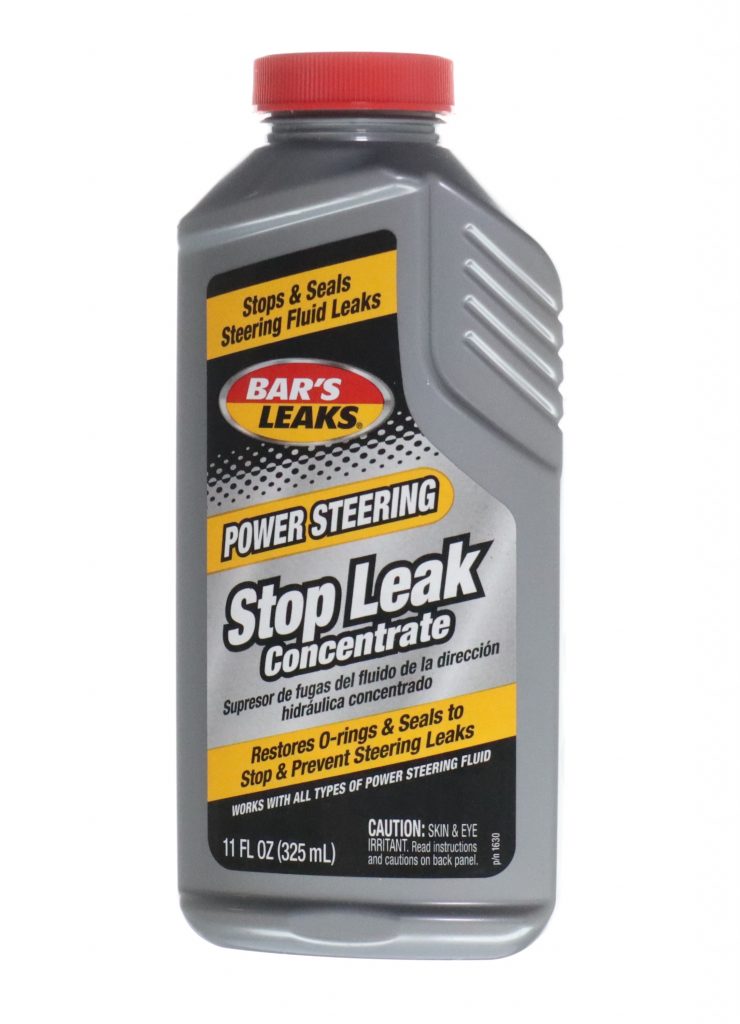
Credit: barsleaks.com
Frequently Asked Questions Of Can I Use Motor Oil In My Power Steering
Can I Use Motor Oil In My Power Steering?
No, you should not use motor oil in your power steering. Power steering systems require specific power steering fluid to function properly. Motor oil does not have the necessary properties to lubricate and protect the power steering components, which can lead to damage and costly repairs.
It is important to use the recommended power steering fluid for optimal performance.
What Happens If I Use Motor Oil Instead Of Power Steering Fluid?
Using motor oil instead of power steering fluid can result in damage to your power steering system. Motor oil does not have the proper viscosity and additives to provide the necessary lubrication and protection for the power steering components. This can lead to increased wear and tear, decreased performance, and potential system failure.
It is important to always use the recommended power steering fluid to maintain the longevity and functionality of your power steering system.
Why Is It Important To Use Power Steering Fluid?
Power steering fluid is specifically designed to meet the unique requirements of power steering systems. It provides the necessary lubrication for the power steering pump, reduces friction and wear on the components, and helps dissipate heat generated during operation. Using the recommended power steering fluid ensures smooth and efficient steering performance, prolongs the life of the power steering system, and prevents costly repairs.
How Often Should I Check My Power Steering Fluid?
It is recommended to check your power steering fluid regularly, typically once every few months or at every oil change. Steps to check your power steering fluid include locating the power steering fluid reservoir, removing the cap, and visually inspecting the fluid level.
If the fluid level is low, it should be topped up with the recommended power steering fluid to ensure proper performance.
Conclusion
Using motor oil in your power steering system is not recommended. While it may seem like a convenient solution, motor oil is not designed to meet the specific requirements of power steering fluids. Power steering fluids have additives that help lubricate and protect the system, as well as prevent foaming and corrosion.
Motor oil can cause damage to the power steering pump and other components, leading to costly repairs. Additionally, using motor oil may result in decreased performance and steering issues. It’s best to use the recommended power steering fluid for your vehicle to ensure optimal performance and longevity of your power steering system.
Regularly checking and maintaining your power steering fluid is also important to prevent any issues and ensure smooth and safe driving.